
Heatstroke in Dogs and Cats: How to Spot the Signs Before It's Too Late
July 14, 2026
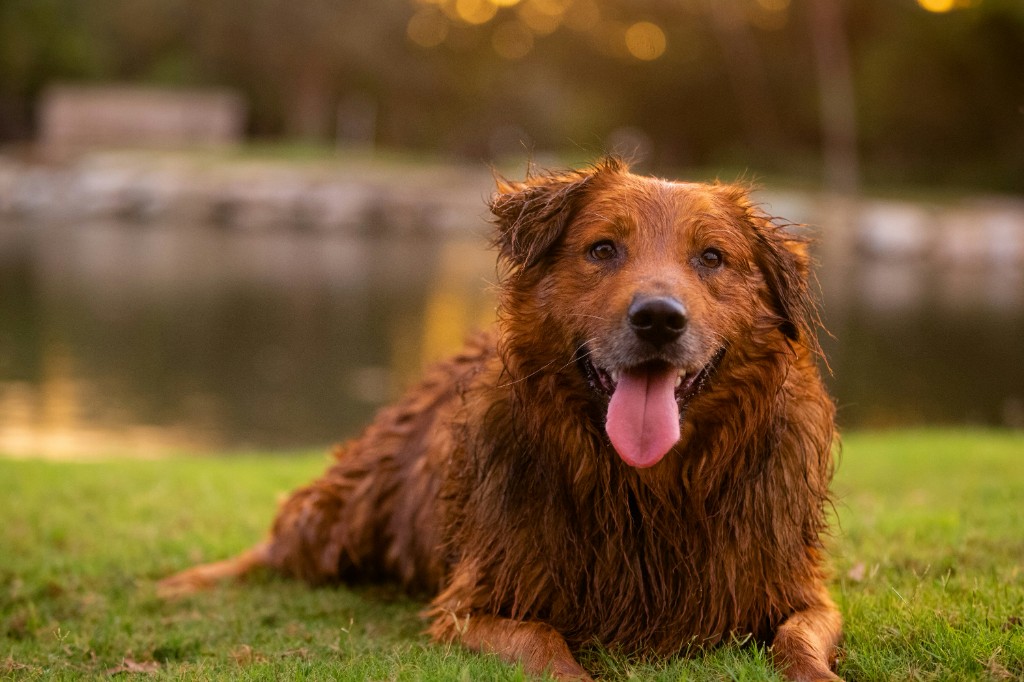
A guide from Utah Veterinary Emergency Center (UVEC) for pet owners in Herriman, South Jordan, Riverton, Bluffdale, and across the southwest Salt Lake Valley.
Utah summers bring triple-digit temperatures, bone-dry air, and relentless afternoon sun. For pet owners across the southwest Salt Lake Valley, that combination makes heatstroke one of the most dangerous and time-sensitive emergencies we treat at Utah Veterinary Emergency Center (UVEC) in Herriman.
Every summer, our urgent care team sees a surge of dogs — and, less often, cats — suffering from heat-related illness. Many of those cases could have been prevented or caught earlier. Understanding how heatstroke develops, recognizing the warning signs, and knowing what to do in the first critical minutes can mean the difference between a full recovery and a life-threatening outcome.
What Is Heatstroke, and Why Are Pets So Vulnerable?
Heatstroke occurs when a pet's core body temperature rises above roughly 104°F and the body's natural cooling mechanisms are overwhelmed. Dogs and cats do not sweat the way humans do. Dogs rely almost entirely on panting. Cats cool through limited grooming, radiant heat loss, and a small amount of paw-pad perspiration — none of which keeps up when ambient temperatures soar and humidity, exertion, or confinement stack on top.
Once cooling fails, a cascading internal crisis begins: organ tissues swell, the GI tract loses its protective barrier, clotting factors become disrupted, and the kidneys and liver come under acute stress. If body temperature reaches 106°F or higher, permanent organ damage and death can occur within minutes.
Herriman, South Jordan, Riverton, and Bluffdale sit at roughly 4,400 to 5,000 feet of elevation. Thinner air and intense UV exposure at altitude accelerate dehydration and overheating, even on days that do not feel dangerously hot to people walking between air-conditioned buildings.
Why Midsummer Is Especially Risky Along the Wasatch Front
A few local patterns show up repeatedly in our summer urgent care notes:
- Afternoon asphalt and sidewalk heat — parking lots and trailheads in Herriman, Daybreak, and South Jordan retain heat long after the air temperature peaks.
- Cars and garages — a vehicle interior can exceed 120°F within about ten minutes on a 90°F day, even with windows cracked.
- Dry heat that fools owners — low humidity feels more bearable to people, so walks and yard time often run longer than they should.
- July and August hike culture — foothill trails above Herriman, Yellow Fork, Corner Canyon, and similar routes expose dogs to elevation, direct sun, and limited shade.
- Backyard time without shade or water — dogs left outdoors during peak heat, even in a familiar yard, overheat faster than owners expect.
Pets at the Highest Risk
Any dog or cat can develop heatstroke, but certain animals are especially vulnerable:
- Brachycephalic breeds like Bulldogs, Pugs, French Bulldogs, Boston Terriers, and Persian cats have compressed airways that make panting far less effective
- Senior pets and very young animals have less resilient thermoregulation
- Overweight pets carry extra insulation that traps heat
- Dogs with thick double coats, such as Huskies, Malamutes, and many herding breeds, struggle despite loving cool weather
- Any pet with a heart condition, respiratory disease, or history of prior heat-related illness is at elevated risk
- Indoor cats can overheat in hot rooms, sunrooms, or cars during travel — heatstroke is not only a dog-yard problem
Warning Signs Every Pet Owner Should Know
Heatstroke progresses fast. Early recognition is everything.
Early signs
- Excessive panting that does not settle with rest in a cool spot
- Thick or ropy drool
- Bright red gums and tongue
- Restlessness, agitation, or seeming "panicked"
- Glassy or unfocused eyes
- Rapid heart rate
- Seeking cool floors, or refusing to keep walking
Severe signs requiring immediate urgent care
- Vomiting or diarrhea (sometimes bloody)
- Stumbling, wobbliness, or inability to stand
- Gums turning pale, gray, purple, or blue
- Collapse or loss of consciousness
- Seizure activity
- Extreme lethargy or unresponsiveness
If you see any of the severe signs, your pet needs urgent veterinary care immediately. Internal damage is already underway. Do not wait to see if your pet improves on their own.
Dogs vs. Cats: What Looks Different
Dogs usually show obvious panting and distress first. Owners often notice a sudden change during or right after exercise, outdoor play, or time in a hot car.
Cats can be subtler. Watch for open-mouth breathing, hiding, weakness, drooling, or collapsing after exposure to a hot room, carrier, or vehicle. Open-mouth breathing in a cat is always a reason to seek urgent care promptly.
What to Do If You Suspect Heatstroke
The minutes between recognizing heatstroke and arriving at a veterinary clinic are critical. Here is what you should and should not do:
- Move your pet out of the heat immediately. Get them into air conditioning, shade, or the coolest environment you can find.
- Begin active cooling with room-temperature or cool — not ice-cold — water. Wet their paw pads, ears, groin, and belly. Drape damp towels over them, but replace the towels frequently; a warm towel acts as insulation.
- Offer small amounts of cool water to drink. Do not force water. If your pet will not drink on their own, do not push it.
- Get to a veterinary urgent care clinic as fast as you can. Call Utah Veterinary Emergency Center at (801) 218-2227 before you leave if possible so we can prepare. Even if your pet appears to recover, internal damage — kidney injury, clotting disorders, or GI compromise — can develop hours later.
Do not put ice packs directly on your pet or dunk them in ice water. Extreme cold constricts blood vessels at the surface and can trap heat inside the body. Room-temperature water plus airflow is more effective and safer on the way in.
The Biggest Mistakes We See
One of the most common errors is assuming a pet is fine because they seem to bounce back after cooling down. Heatstroke triggers a systemic inflammatory response that can keep escalating even after body temperature returns toward normal. A pet that looks better at home may be developing acute kidney injury or a dangerous clotting disorder (DIC) internally. Veterinary evaluation after any suspected heatstroke episode is not optional — it is essential.
The other frequent mistake is leaving a pet "just for a minute" in a parked car, hot garage, or sun-exposed backyard. On Wasatch Front summer days, that minute can be enough.
Prevention: Keeping Your Pet Safe This Summer
Most heatstroke cases are preventable with a few straightforward habits:
- Limit outdoor exercise to early morning or after sunset
- Never leave your pet in a parked car, even briefly
- Provide constant access to fresh water and real shade during any outdoor time
- Be cautious on asphalt, concrete, and sand, which absorb heat and can burn paw pads — walk on grass wherever possible
- Watch brachycephalic breeds, older animals, overweight pets, and thick-coated dogs especially closely
- Bring water on every summer hike, and cut activity short at the first sign of heavy panting or reluctance to continue
- Keep indoor pets in well-ventilated, cooled spaces during heat waves; do not assume cats are "fine upstairs"
Quick pavement test: Place the back of your hand on the pavement and hold it for seven seconds. If it is too hot for your hand, it is too hot for your pet's paws.
What to Expect at UVEC for a Heatstroke Emergency
At Utah Veterinary Emergency Center, our urgent care team treats heatstroke as the multi-system emergency it is. On arrival, we take a rectal temperature, assess cardiovascular status, and begin cooling and IV fluid therapy as needed to support organ perfusion. We run bloodwork to evaluate kidney and liver function, check clotting times, and assess electrolyte balance. Depending on severity, your pet may need GI protectants, anti-nausea medications, clotting support, oxygen, or monitored observation for delayed complications.
We keep you informed every step of the way because you deserve to understand exactly what is happening with your pet and why we are recommending each part of the plan.
When To Come See Us
Use this as a practical decision guide:
- Mild panting after play that settles quickly in AC with normal gums and energy → rest, water, and monitor closely.
- Panting that continues, bright red gums, thick drool, or agitation after heat exposure → call us; this often warrants a same-day visit.
- Vomiting, diarrhea, stumbling, pale/blue gums, collapse, or open-mouth breathing in a cat → come now.
- Any suspected heatstroke after a hot car, garage, or trail incident → come in even if your pet seems better after cooling.
Utah Veterinary Emergency Center provides walk-in urgent care in Herriman for the southwest Salt Lake Valley, including after-hours when your family veterinarian is closed. We are open daily from 11:00 am to 11:00 pm. Walk in or call ahead at (801) 218-2227.
Heatstroke does not have to ruin a Utah summer — but it has to be treated like the emergency it is. Knowing the early signs, cooling safely, and getting veterinary care without delay is the best protection you can give your dog or cat when the Wasatch Front heats up.