
Top Pet Surgery Recovery Tips
April 27, 2026
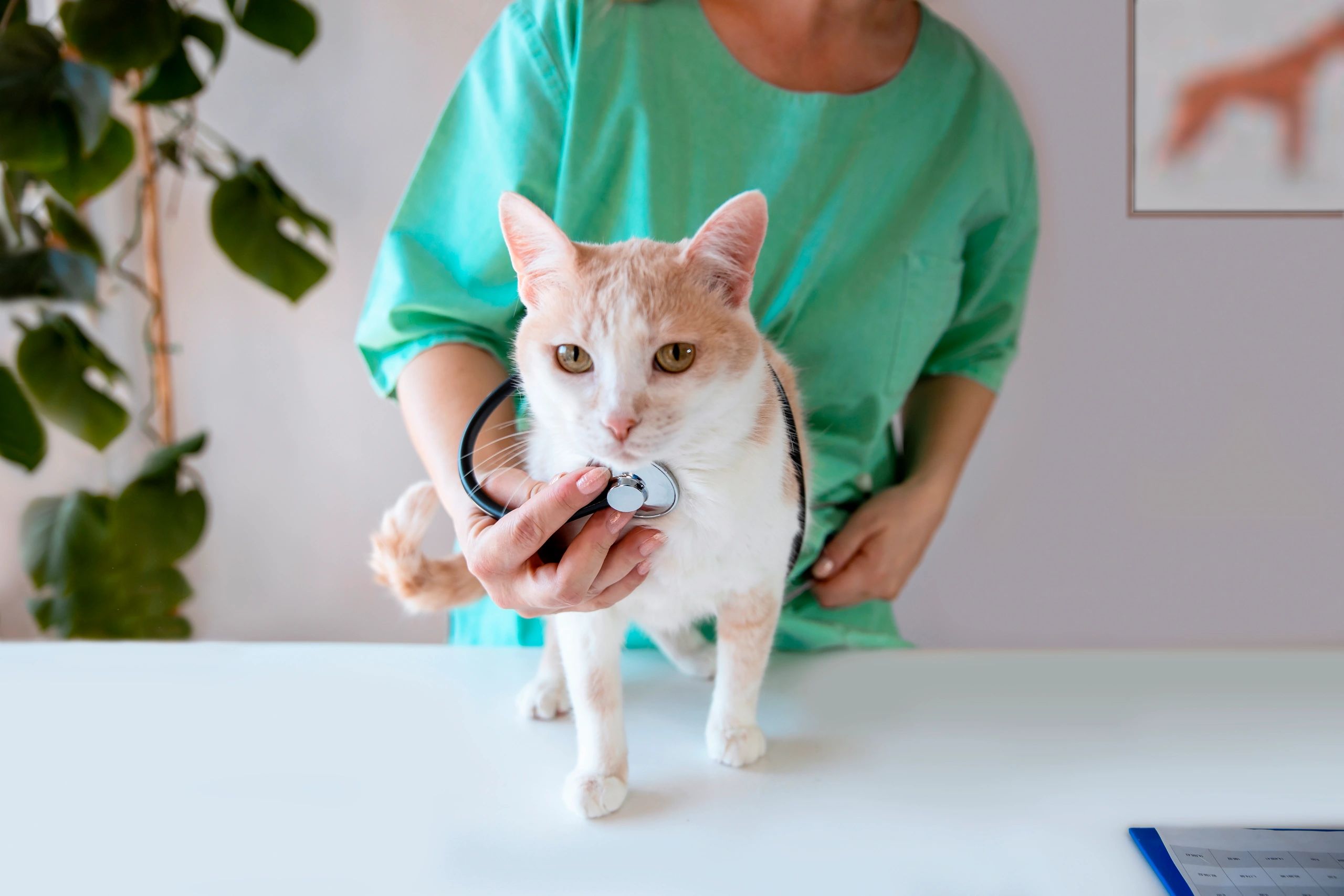
Kickstart Your Pet’s Recovery Journey
Preparing for your pet’s post-surgery care is a crucial step in ensuring a smooth and safe recovery. This guide opens the door to understanding why a carefully planned recovery routine can make all the difference. Imagine your furry friend regaining strength and returning to everyday activities with minimal stress—effective recovery starts with informed and proactive care.
In this introduction, you will discover:
- Essential recovery phases: Learn about the steps needed to support your pet’s healing process.
- Practical at-home tips: Find actionable suggestions to create a recovery-friendly environment.
- Understanding key indicators: Identify signs that your pet is progressing well.
- Local considerations: Understand how recovery care may vary locally, ensuring you’re connected with relevant resources in your area. By embracing these foundational strategies, you can develop a customized plan that meets your pet’s unique needs. Whether you’re scheduling a procedure soon or preparing ahead, the insights provided here are designed to guide you through a successful recovery journey, building confidence and ensuring your pet bounces back with vigor.
Top 7 Ways to Boost Your Pet's Recovery
Navigating a pet’s post-surgery phase can be challenging, but these seven actionable tips will give you the confidence to support your furry companion through every step of recovery:
- Stick to Postoperative Guidelines: Meticulously follow all instructions regarding medications, wound care, and activity levels to prevent setbacks.
- Create a Tranquil Recovery Zone: Set up a quiet, comfortable area that minimizes stress and disruptions, allowing your pet to rest undisturbed.
- Prioritize Balanced Nutrition: Provide a diet rich in essential nutrients to support tissue repair and overall healing.
- Watch for Warning Signs: Regularly inspect surgical sites for unusual redness, swelling, or discharge, and monitor your pet’s behavior closely.
- Ease Back into Activity: Gradually reintroduce gentle movements and light play to promote circulation without overstressing the healing process.
- Schedule Consistent Check-Ups: Ensure routine follow-up visits with your local veterinarian to confirm the progress of recovery.
- Utilize community resources: Take advantage of local support and advice from veterinary experts in your area—such as our team in Herriman—to tailor care based on your pet's unique needs.
Recognizing Hidden Worries: Key Signs to Monitor During Recovery
After a pet surgery, it's important to know what changes to expect and what might indicate complications. Staying observant during your pet’s recovery ensures timely intervention if needed. Look for these key warning signs:
- Behavioral Shifts: A sudden reluctance to move, excessive lethargy, or signs of discomfort could indicate pain or infection.
- Appetite Changes: Noticeable decreases in food or water intake may signal that something isn’t right, especially if your pet was eating well before the procedure.
- Incision Health: Check the surgical site for unusual swelling, redness, or discharge. While some mild swelling is normal, significant changes warrant a call to your veterinarian.
- Respiratory or Mobility Issues: Difficulty breathing or reluctance to walk after regaining strength should be addressed promptly. Regular monitoring in the days following surgery is crucial. Keeping a recovery log can help track progress and symptom patterns, ensuring detailed information is available during follow-up consultations. This proactive approach is especially valuable for pet owners throughout the Salt Lake Valley and surrounding communities. By staying informed and observant, you can help ensure a smoother recovery journey for your furry friend.
Frequently Asked Questions About Pet Surgery Recovery
Q: How can I tell if my pet’s recovery is on track?
A: Look for steady improvement in behavior, appetite, and mobility. Signs of normal healing include gradual energy return and minimal discomfort during rest.
Q: What are the best ways to manage post-surgery pain?
A: Follow your veterinarian's advice on medication and activity restriction. Ensure your pet has a quiet, comfortable space to rest and heal at home.
Q: When should I be concerned about complications?
A: Contact your vet if you notice excessive swelling, persistent pain, or unusual discharge from the surgical site. Early intervention is key.
Q: How do I create a supportive recovery environment at home?
A: Keep your pet in a low-traffic area with a soft bed, and limit strenuous activities to prevent re-injury.
Q: What nutritional tips can support healing after surgery?
A: Provide a balanced, easily digestible diet tailored by your veterinarian, and ensure fresh water is always available for optimal recovery.
Your Roadmap to a Smooth Recovery
Navigating your pet's post-surgery recovery doesn’t have to be overwhelming when you focus on clear, actionable steps. Ensuring a safe and healing environment is key to long-term success. Begin by routinely monitoring your pet’s behavior and comfort levels—small changes often indicate how well they are adapting after surgery. A consistent schedule for medications and check-ups with your local veterinarian helps prevent complications and supports steady progress.
Consider these actionable guidelines:
- Maintain a recovery log to track daily progress.
- Create a designated quiet space that minimizes stress and encourages rest.
- Follow prescribed care instructions meticulously to avoid setbacks.
- Adjust exercise gradually based on your pet's evolving needs.
By implementing these practical measures, you empower yourself to manage recovery effectively and ensure a smoother healing process. Embrace the routine and be proactive in observing changes, and you’ll set a strong foundation for renewed vitality and well-being. Keep up the commitment—every step taken is a step toward a healthier future for your beloved companion.